A contemporary design for African and European museums is the goal of TheMuseumsLab. The programme, which the DAAD launched in cooperation with other organisations in 2021 and has supported financially ever since, brings together 50 museum professionals from Africa and Europe each year, providing them with a broad platform for sharing knowledge and perspectives.
The scholarship programme “Leadership for Africa” (LfA) aims to support the academic qualification and advancement of young refugees and national scholars from Burundi, Kenya, Rwanda, South Sudan, and Uganda at higher education institutions in Germany.
The German Academic Exchange Service (DAAD) is expanding its support for German universities in the support and integration of international students. The "Combined Scholarship and Support Programme (STIBET)" now provides around 14 million euros in funding from the Federal Foreign Office. For the first time, the programme also includes one million euros in funding for activities against anti-Semitism and racism.
As a centre of research, Germany attracts scientists from all over the world: Together with the United Kingdom, Germany ranks second in the world for international academic employees. In a recent study, the German Academic Exchange Service (DAAD) has now analysed the paths taken by international researchers from postdoc to professorship in Germany.
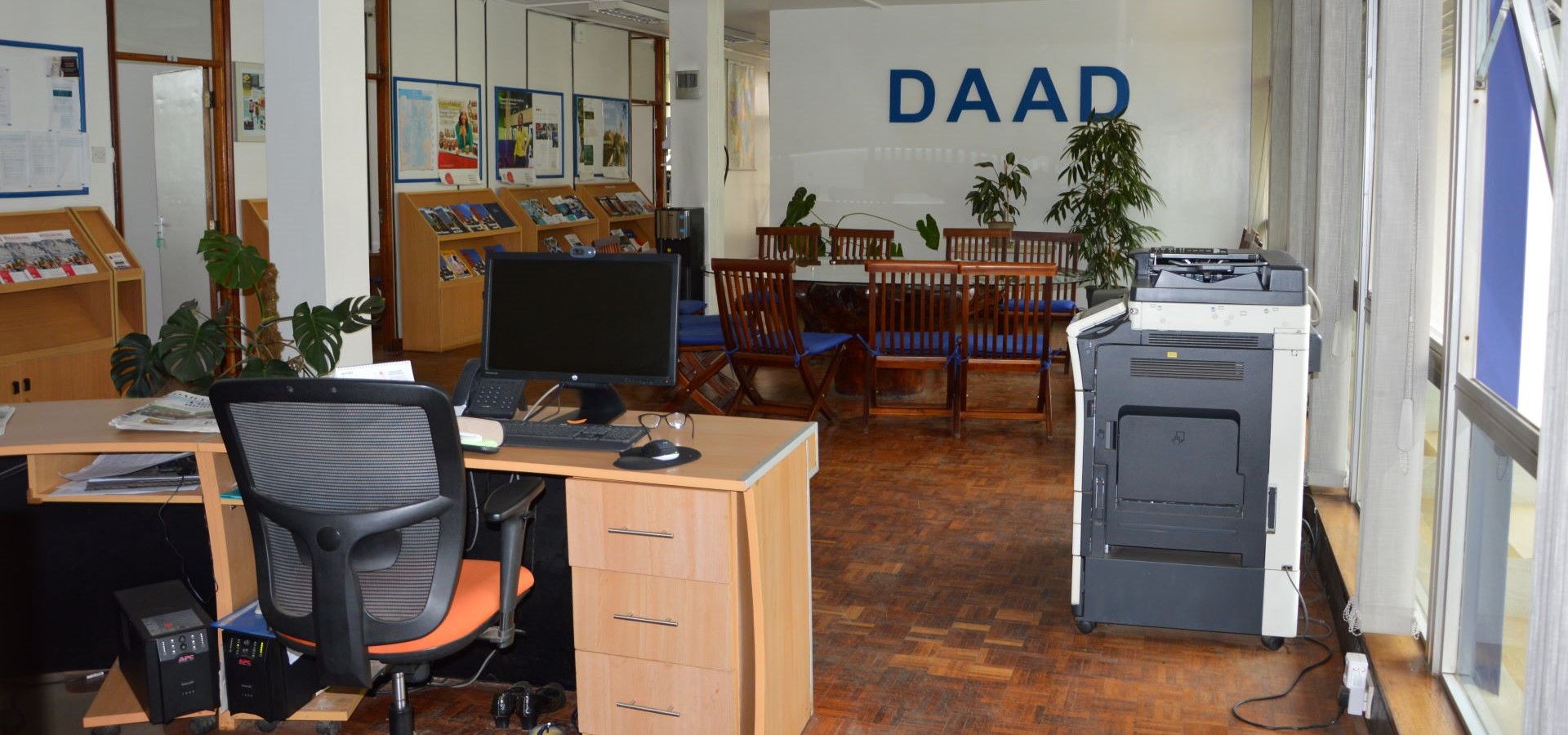
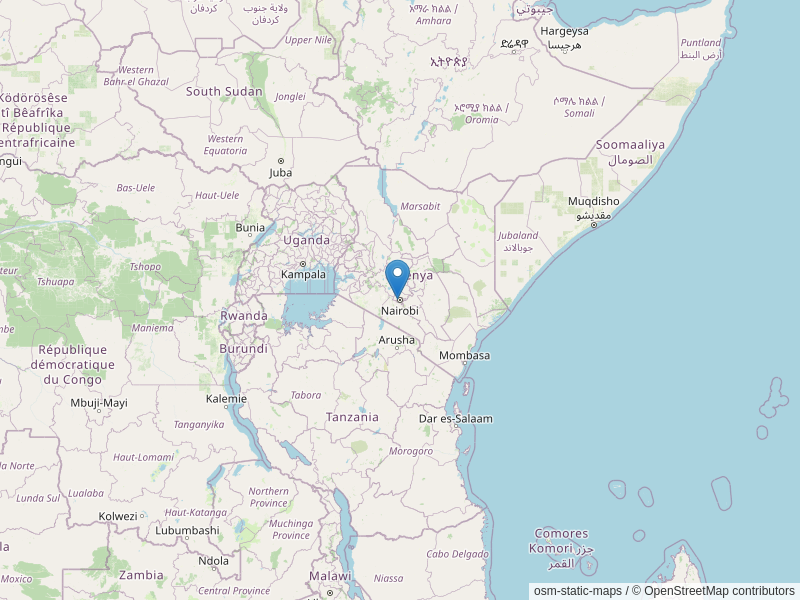
We are pleased to inform you that the DAAD Nairobi Office offers face to face consultation hours every Wednesday, 10 am to 12 pm EAT.
Also, our regular virtual visiting hours remain; every Thursday from 10:00 am to 11:00 am EAT. Web Seminars also remain as scheduled.
In the eyes of the DAAD, the end of a funding period marks the beginning of a long-standing relationship with us. We aim to stay in touch with our alumni as well as help you get to know one another through a serious of programmes and activities. We also support you in setting up regional DAAD alumni clubs and other forms of networking opportunities.
Kick-start your future career in Financial Management at Coburg Univer...
If you are interested in management and finance our premium MBA program Financial Management could be just right for you! The program features an optional Dual Degree from UniSC Australia and a Bloomb...
Your master’s degree for a better world! Be a part of our international master’s programme at the Faculty of Life Sciences: Food, Nutrition and Health and apply now!
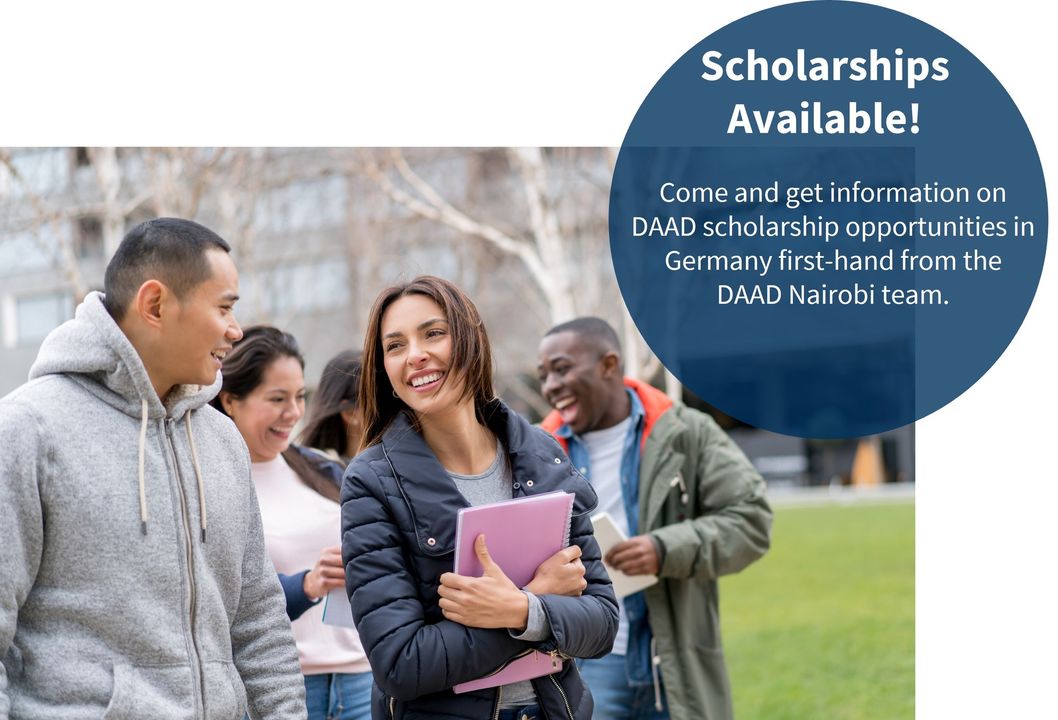
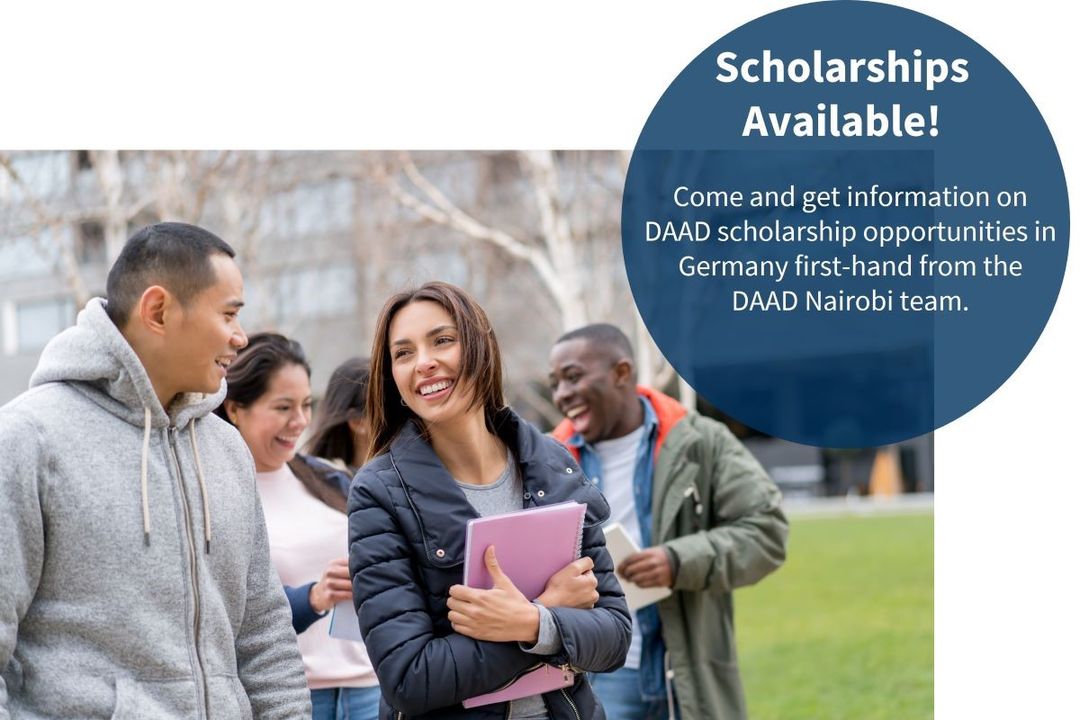
We are pleased to invite you to a DAAD Open Day at the @Goethe-Institut Nairobi on Saturday, May 11, 2024, from 10 am to 4 pm at the auditorium.
It will be our pleasure to share with you how to apply for Masters and PhD Scholarships to Germany.
Save the date and see you there! #ScholarshipOpportunity#scholarships#masters#PhD
The DAAD Nairobi Office will remain closed tomorrow, 1st May 2024 in observance of Labour Day.
Normal operations will resume on Thursday, 2nd May 2024.
Interested in studying and working in Germany? Not sure yet, but curious to see what we offer? Come and join our virtual fair!
The online fair will take place on 8 May 2024, from 10 am to 1 pm EAT, then again from 4 pm to 7 pm EAT.
You can find the exact starting time in your time zone AND some information about the participating German universities in the
Exhibitor Catalogue: https://www.exhibitorcatalogue.com/study-in-germany-virtual-fair-study-career
You will get an opportunity to live chat with representatives of the DAAD, Make it in Germany and universities, as well as listen to the stories of international students who are studying and/or working in Germany.
Register for free, now: https://www.meetyoo.live/register/1/Study-in-Germany-Virtual-Fair
We are pleased to invite you to a DAAD Open Day at the Goethe-Institut Nairobi on Saturday, May 11, 2024, from 10 am to 4 pm at the auditorium.
It will be our pleasure to share with you how to apply for Masters and PhD Scholarships to Germany.
Save the date and see you there!
German Embassy Nairobi#ScholarshipOpportunity #scholarships#masters#PhD
Interested in studying and working in Germany? Not sure yet, but curious to see what we offer? Come and join our virtual fair!
The online fair will take place on 8 May 2024.
You can find the exact starting time in your time zone AND some information about the participating German universities in the Exhibitor Catalogue: https://www.exhibitorcatalogue.com/study-in-germany-virtual-fair-study-career
You will get an opportunity to live chat with representatives of the DAAD, Make it in Germany and universities, as well as listen to the stories of international students who are studying and/or working in Germany.
Register for free now: https://www.meetyoo.live/register/1/Study-in-Germany-Virtual-Fair